
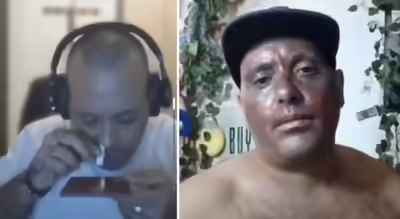
Spanish streamer dies after ingesting cocaine and alcohol during paid challenge livestream
A viral video showing a streamer consuming a large amount of cocaine and alcohol before he died has drawn international attention and sparked fresh discussions about dangerous online stunts and the responsibility of livestream platforms. The incident involved a Spanish content creator identified as Sergio Jimenez, known online as “Sancho” or “Sssanchopanza,” who tragically passed away during a private New Year’s Eve livestream after allegedly taking part in a paid challenge that encouraged him to down a bottle of whisky and ingest an estimated six grams of cocaine on camera. Authorities in Catalonia have opened a formal investigation into the circumstances of his death, and an autopsy has been ordered to determine the exact cause.
The challenge reportedly took place in the early hours of January 1 at Jimenez’s home near Barcelona. The stream was not publicly available but was broadcast to a private group of viewers who paid to watch and, according to local reports, encouraged him to complete the dangerous acts in exchange for donations. Jimenez’s mother discovered him unresponsive hours after the start of the stream. Police found evidence at the scene, including the alcohol and drugs consumed during the event. While investigators have not yet released an official cause of death, the combination of extreme alcohol and drug use is at the centre of the inquiry.
The case has triggered widespread concern over the rise of dangerous online challenges and the pressures some streamers face to push their bodies to extremes for money or attention. Local authorities have issued warnings about the risks of such stunts, highlighting that they can result in serious harm or even loss of life. Experts in digital media safety say the incident underscores the need for platforms and regulators to consider stronger measures to protect content creators from harmful trends that encourage self-endangerment for financial gain.
The death of Jimenez is part of a broader pattern of livestream-related tragedies linked to extreme or risky behaviour, prompting urgent calls for more robust oversight and community standards within live broadcasting services.
About the Author


