
Nigeria faces worst hunger in a decade as aid cuts hit Northeast
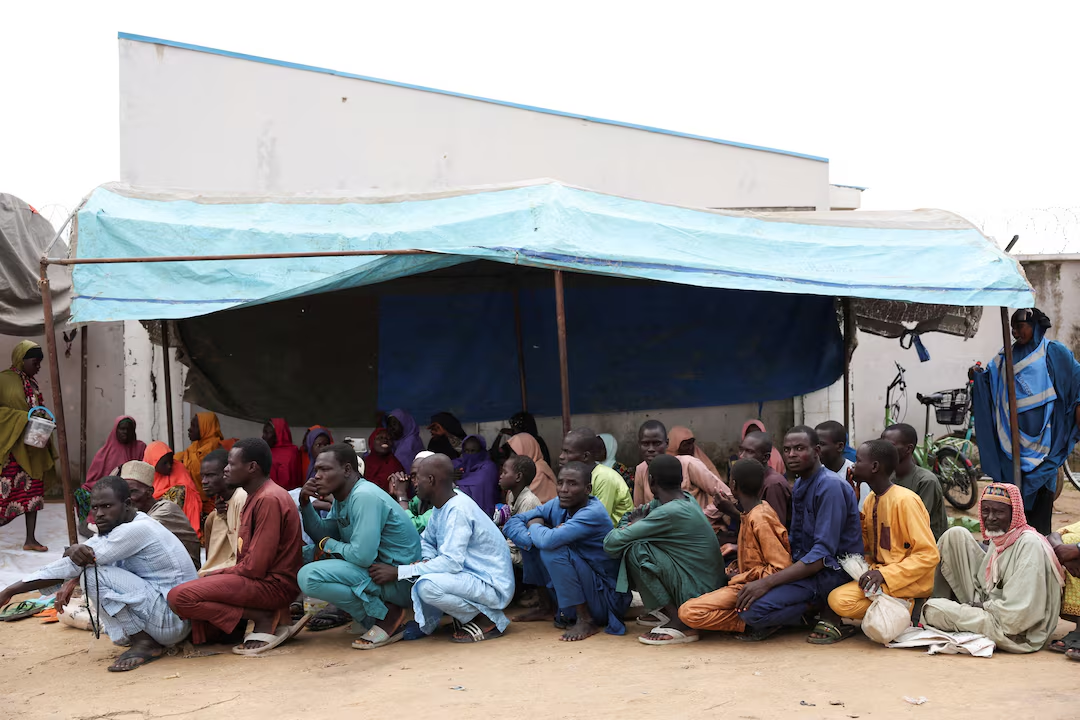
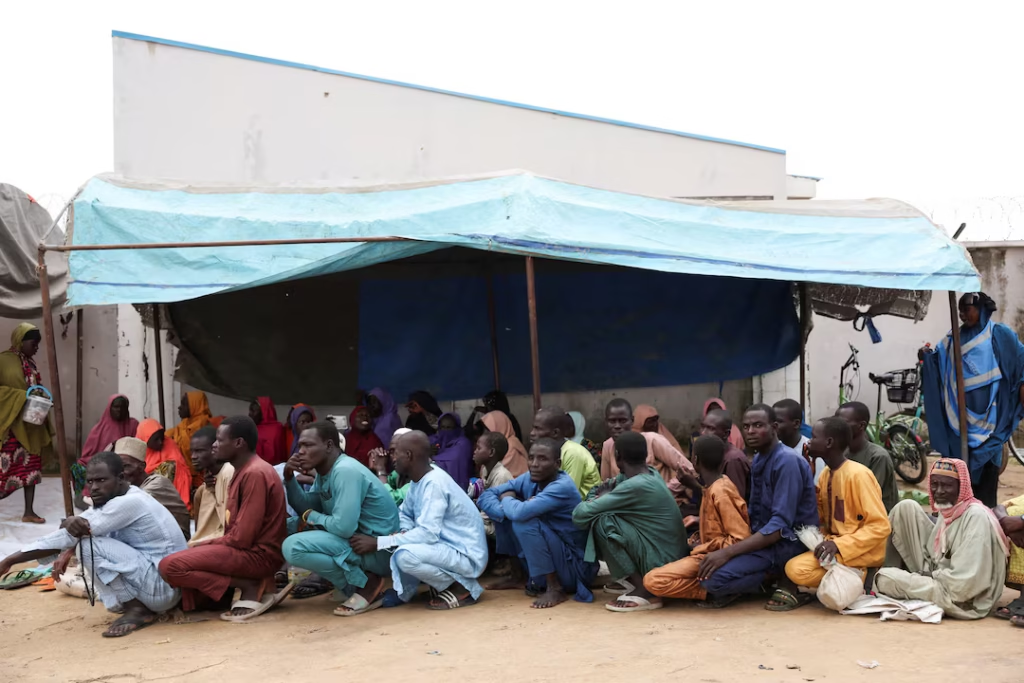
The United Nations has warned that Nigeria is facing its worst hunger crisis in a decade, particularly in the conflict-affected northeast, as sharp cuts to international humanitarian aid deepen food insecurity and malnutrition across the region. The World Food Programme (WFP) said that around 15,000 people in Borno State alone are now at risk of catastrophic food shortages for the first time in nearly ten years, while millions more across northeastern Nigeria and neighbouring countries face severe hunger due to reduced funding for relief programmes.
The crisis has been fuelled by a combination of ongoing insurgent violence, displacement of communities, economic pressures and a significant drop in humanitarian assistance, which together have pushed vulnerable populations beyond their ability to cope without outside support. WFP officials noted that funding shortfalls in 2025 forced the agency to scale back nutrition programmes in Nigeria, affecting more than 300,000 children and leaving far fewer people able to receive life-saving food aid during critical lean months.
Analysts and aid workers have also highlighted that over 13 million children across the region are projected to suffer from malnutrition this year, with crisis-level hunger spreading not just in Nigeria but across West and Central Africa. Countries including Chad, Cameroon and Niger are also grappling with severe food shortages, with a total of around 55 million people in the region expected to face crisis or worse hunger between June and August 2026, the peak lean season, if urgent action is not taken.
WFP officials have stressed that conflict and displacement continue to be major drivers of food insecurity, but cuts to humanitarian aid have intensified the emergency, limiting the ability of organisations to provide essential food assistance and nutrition services. The agency has called for urgent additional funding more than $453 million over the next six months to sustain operations and prevent the situation from deteriorating further.
The warning from the United Nations underscores the severity of the current situation in northeastern Nigeria and the broader Sahel region, where persistent insecurity and shrinking aid threaten the lives and livelihoods of millions who depend on humanitarian support for their survival.
About the Author


