Kehinde Wiley Asks Trump to Let Him Buy Back Painting Pulled From US Embassy in the Dominican Republic
Artist Kehinde Wiley has written to President Donald Trump asking to buy back a painting that was taken down from the US Embassy in the Dominican Republic. The Kehinde Wiley painting dispute has drawn attention in the art world after reports that the State Department is considering selling the work.
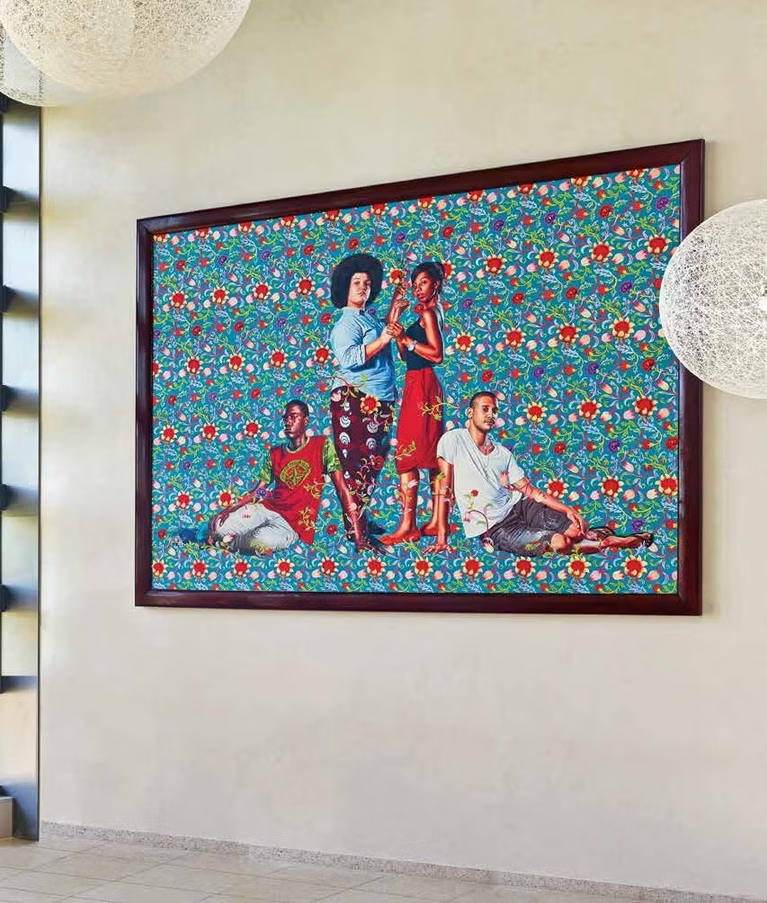
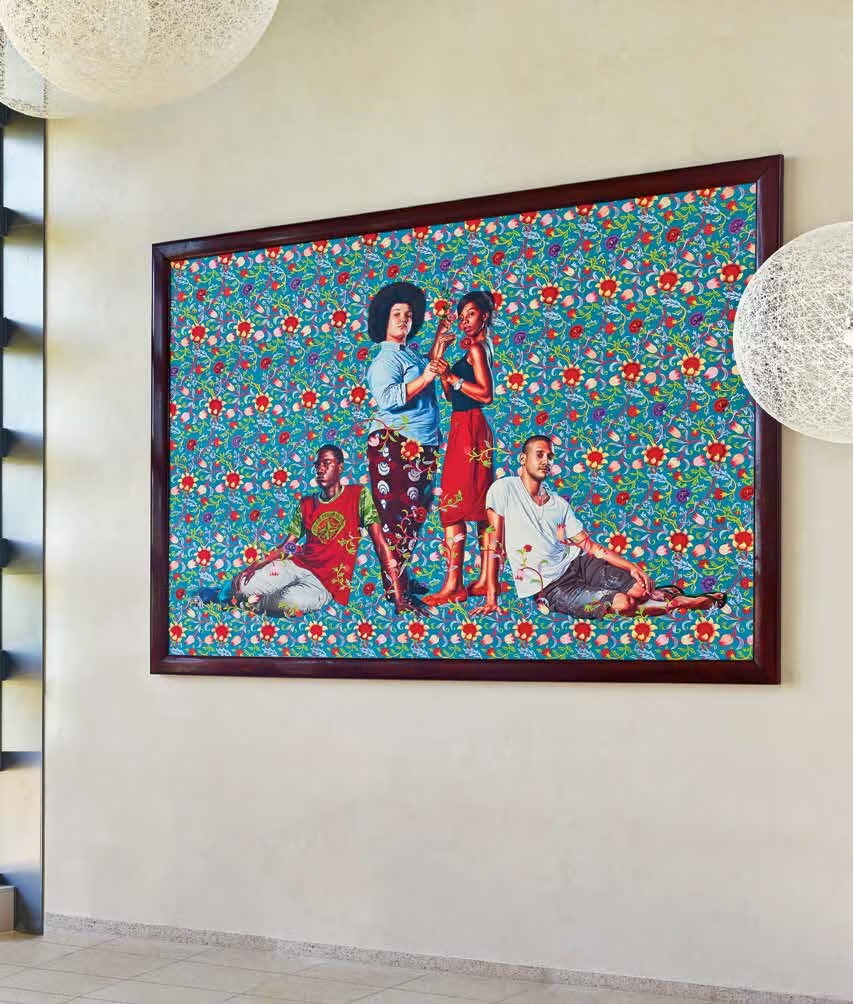
The artwork, Young Artists After Siamesas 1960, was created in 2013 for the US Embassy in Santo Domingo through the State Department’s Art in Embassies program. It shows four Dominican models, two men seated and two women standing, against a blue floral backdrop in Wiley’s signature style. The subjects were modelled by four local art students. For years, the painting greeted visitors as one of the first things they saw when entering the embassy.
In August, US Ambassador Leah Campos announced on Instagram that the painting was being replaced with an image of the American flag, to reflect American patriotism and the beauty of the country. She wrote that the administration and her leadership were turning away from globalist and woke ideologies. The New York Times later reported that the State Department wants to sell the work.
A State Department spokeswoman defended the decision to the newspaper, saying that the work of an individual with what she called violent and racist words and depictions has no place in an America First State Department. That referred to a remark Wiley made in a 2023 interview about his painting Judith and Holofernes, which he described as a play on the “kill whitey” idea. The statement also cited a sexual assault lawsuit against Wiley, which he has denied.
Wiley’s letter to Trump is dated September 24 and was shared on Monday by his gallery, Sean Kelly Gallery. Reports say it was sent by certified mail and addressed to the president, Secretary of State Marco Rubio and other officials involved in the matter. In it, Wiley says he understands the painting has been removed and that the State Department is considering whether it can be sold. He acknowledges that the administration has reached a different conclusion and no longer believes it belongs in the embassy. He adds that the painting remains important to him, as do the people and ideas it represents, and says he would be grateful for the chance to bring it home. He offered to buy it through the appropriate lawful process.
In comments to the press, Wiley said he accepted the embassy commission because he believed such spaces exist to let art build connections between nations. He described the work as successful but poorly understood, and criticised interpretations of it, saying they reflect panic and fear and create a narrative about queer people and people of colour.
As of the latest reports, Trump, the White House and the State Department had not responded to the request. It is unclear whether federal rules would allow the government to sell the painting back to the artist, or what price would apply.
Wiley is best known for painting Barack Obama’s official presidential portrait, and his work is held in major museums. The dispute has become part of a wider debate about how government-owned art is chosen, displayed and removed when administrations change.
About the Author