Bondi Beach terrorist Sajid Akram unmasked
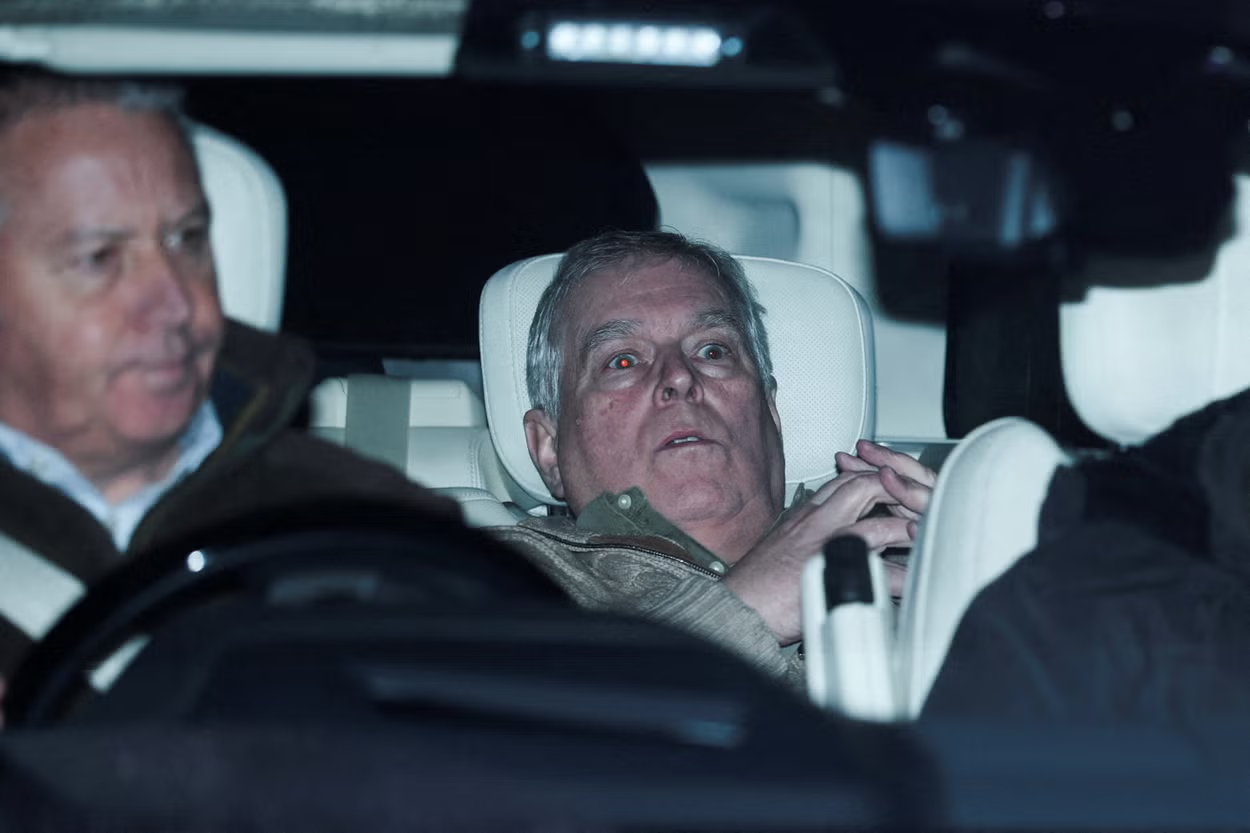
Australian authorities have now identified the father-son duo behind the deadly Bondi Beach shooting that killed at least 15 people during a Hanukkah celebration on December 14, 2025, revealing extensive new details about their identity and planning. The attackers have been named as 50-year-old Sajid Akram and his 24-year-old son, Naveed Akram. Sajid was killed by police at the scene, while Naveed survived and has been charged in court with dozens of offences, including murder and terrorism.
Police say Sajid and Naveed carried out months of preparation, including firearms training in rural New South Wales and rehearsing tactics with multiple weapons before the attack. Evidence introduced in court shows they recorded videos outlining extremist motives and pledging allegiance to Islamic State-linked ideology, displaying ISIS-style flags and radical messaging in footage recovered from Naveed’s phone. Investigators also allege they brought along improvised explosive devices, including a so-called “tennis ball bomb” and pipe bombs, which were thrown toward the crowd but did not detonate.
Police records confirm Sajid held a legal firearms licence in New South Wales and owned multiple guns that were seized at the scene and related searches. The rifle and shotguns are believed to have been used in the massacre, which authorities are treating as an antisemitic terrorist attack targeting the Jewish community.
Australian intelligence had previously taken an interest in the family, particularly Naveed, who was examined by the domestic security service in 2019 over alleged links with a local extremist network. At that time, authorities did not assess him as an immediate threat, raising questions about how early warning systems tracked individuals later involved in extremist violence.
The ongoing court case for Naveed includes dozens of charges, and Sydney police say the investigation is still uncovering more about the planning, movements and motives of the Akram duo as communities mourn and Australia debates new security and gun-law reforms in response to the massacre.
About the Author