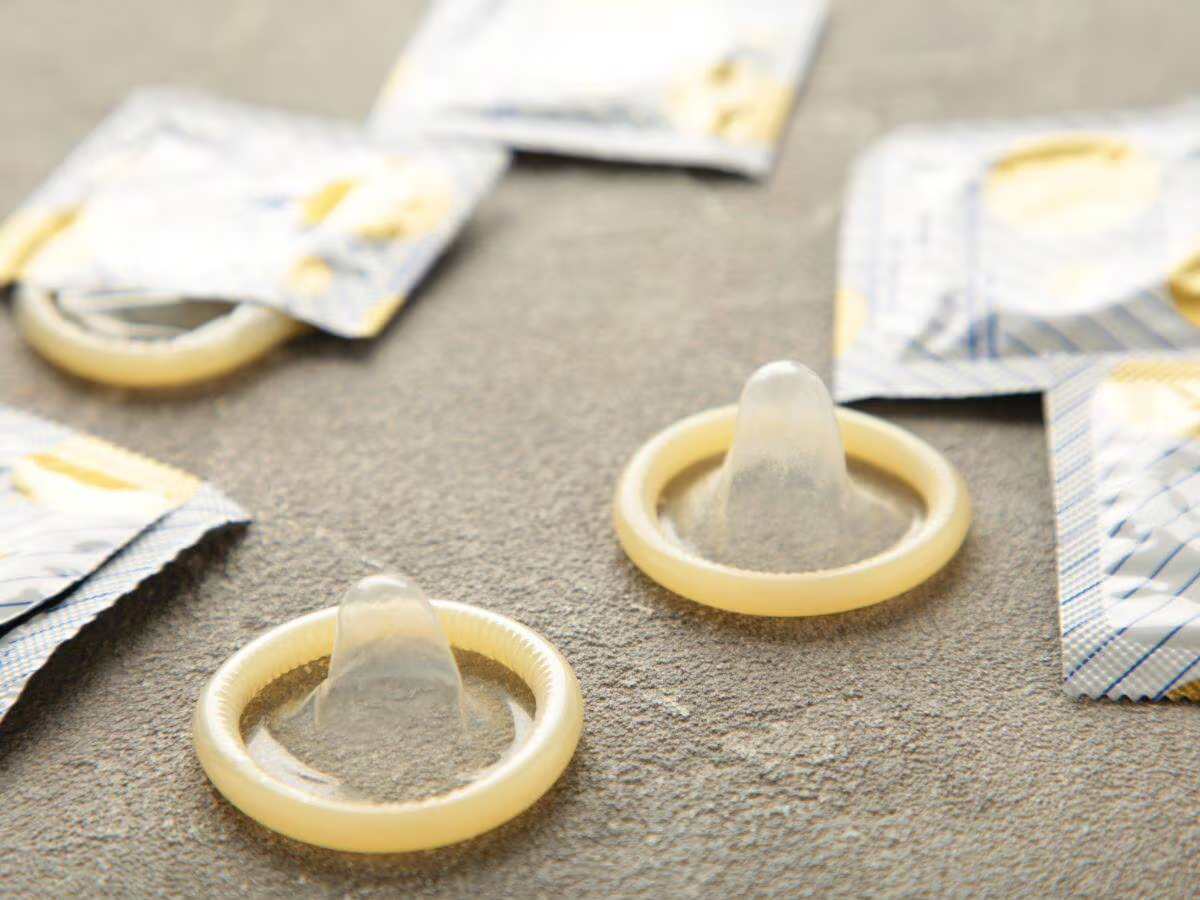

China introduces condom tax and childcare cost cuts to boost birth rates
China has introduced a controversial tax on condoms and other contraceptives while also cutting costs for childcare services as part of a broader strategy to address its declining birth rate and demographic challenges. Starting January 1, 2026, the Chinese government removed a three-decade-old tax exemption on contraceptive products, including condoms and birth control pills, making them subject to a 13 percent value-added tax under the country’s revised tax code. Officials say this shift reflects a move away from population control policies of the past and aims to encourage childbirth amid falling fertility rates and an ageing population. The population has shrunk for a third consecutive year, and authorities are eager to reverse this trend as part of long-term economic and social planning.
Alongside the new tax on contraceptives, China is exempting childcare services from personal income tax and rolling out childcare subsidies and other family support measures designed to reduce the financial burden of raising children. These incentives include nationwide cash allowances for young children, tax relief for childcare providers, and other pro-family initiatives intended to make it easier and more affordable for couples to start and expand families. Government leaders have also pledged to promote positive attitudes toward marriage and childbearing through educational campaigns and expanded parental support programmes.
The policy changes have drawn attention both within China and internationally. Supporters of the reforms argue that reducing childcare costs and offering broader financial support are crucial steps in encouraging higher birth rates. Critics, however, question the logic of taxing contraceptives as a means of boosting fertility, noting that the underlying causes of low birth rates include high living costs, housing prices and job pressures that simple tax shifts may not adequately address.
About the Author