Epstein files photos include high-profile figures with no indication of wrongdoing
The U.S. Department of Justice has begun releasing a major tranche of Jeffrey Epstein files, including thousands of pages of documents and photos connected to the late sex offender’s investigations. Among the materials released so far are numerous images showing Epstein and his close associate Ghislaine Maxwell in social settings with a number of high-profile public figures, but officials emphasise that appearing in a photo does not mean anyone is accused of misconduct related to Epstein’s crimes. The files are being made public under a law requiring the DOJ to disclose unclassified records tied to Epstein’s case, and many images have been heavily redacted or lack context such as where or when they were taken.
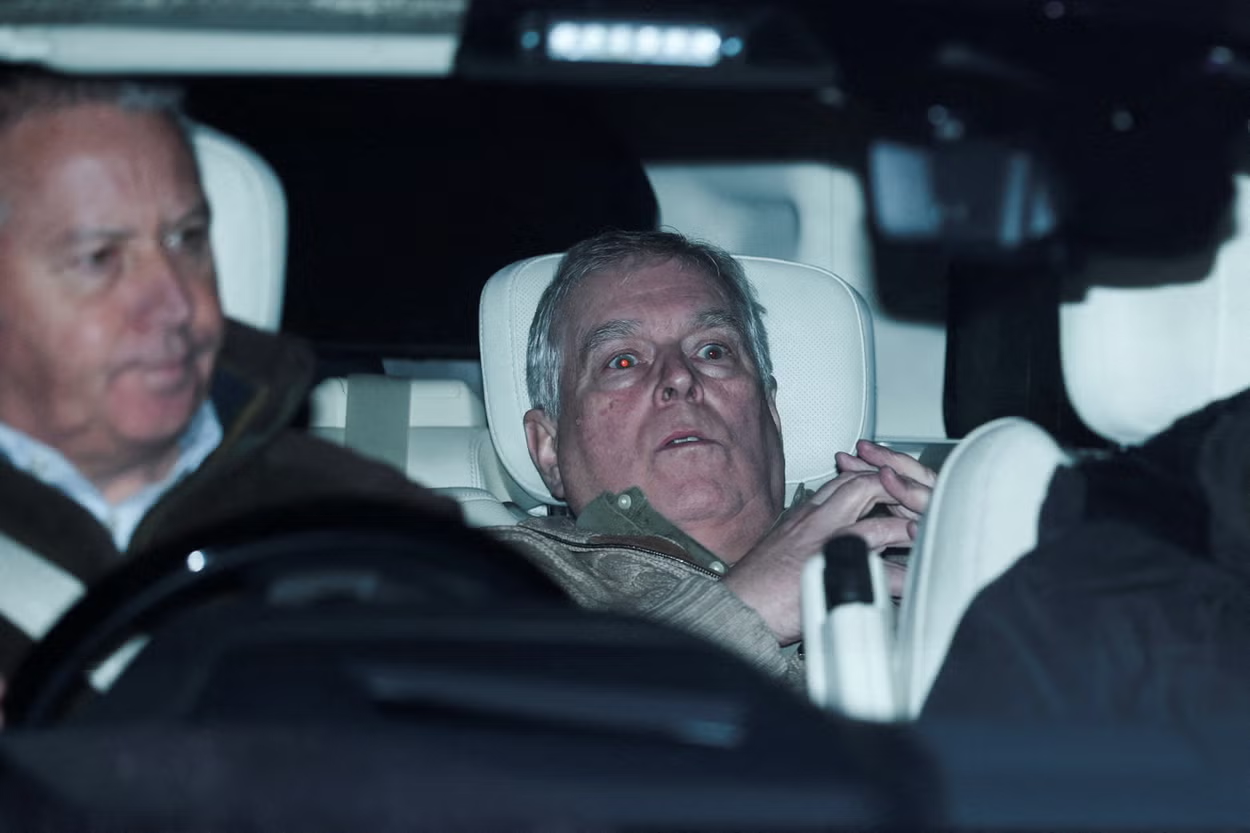
The released photos include former U.S. President Bill Clinton in several casual settings alongside Epstein and others, sometimes with unidentified individuals whose faces are blacked out. Singer Michael Jackson and music legend Diana Ross both appear in one image posing with Clinton, though the exact date and circumstances are unclear and there is no evidence they were involved in Epstein’s criminal conduct. Iconic rock star Mick Jagger is pictured in another photo with Clinton and Epstein associates, again without any indication of illegal activity. Comedian Chris Tucker, actors such as Kevin Spacey, and billionaire Richard Branson are also visible in some of the released snapshots. Some files show former Prince Andrew, whose past association with Epstein has been publicly scrutinised; in one image he is shown reclining across the laps of several women, with parts of the photo redacted.
Many of the photographs were taken in social or formal contexts, such as gatherings, travel scenes, or dinners, and lack details about time, location or purpose. Authorities and news outlets stress that being pictured does not imply guilt or legal implication, and many individuals have issued statements distancing themselves from Epstein’s crimes or noting they had no knowledge of wrongdoing. The initial release represents just a portion of the material the DOJ is obligated to disclose, with critics and lawmakers arguing that fuller transparency—especially regarding unredacted documents is still needed.
About the Author