Nigerian government files charges against Nasir el-Rufai
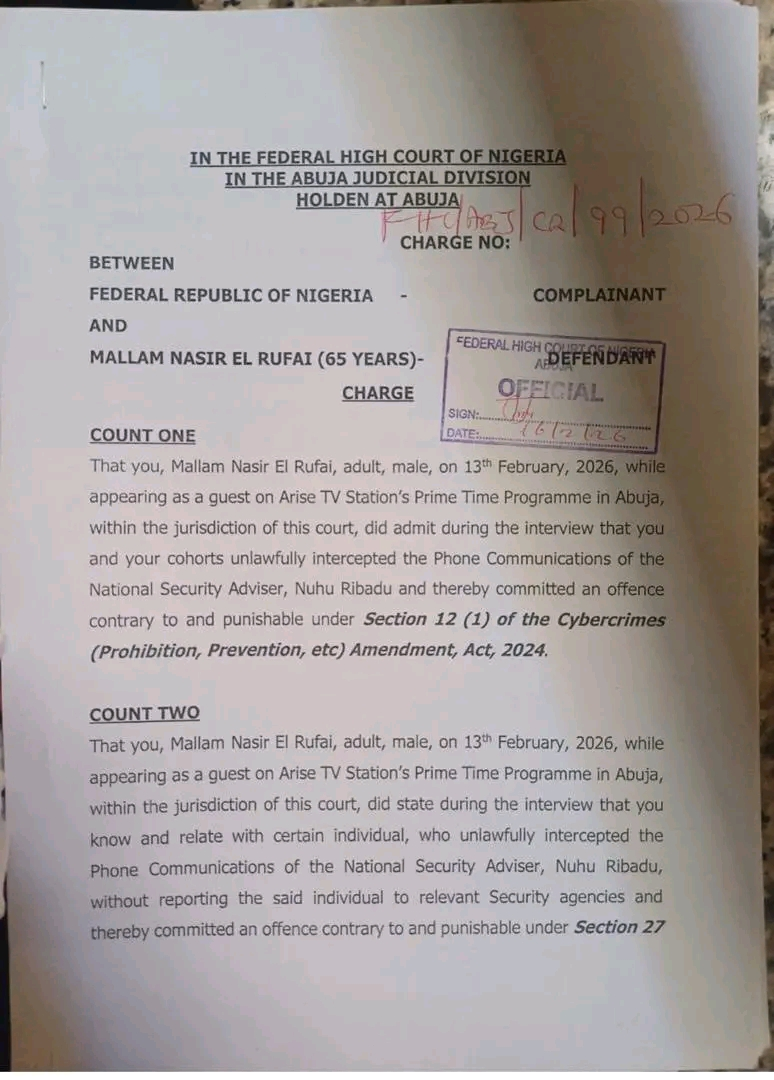
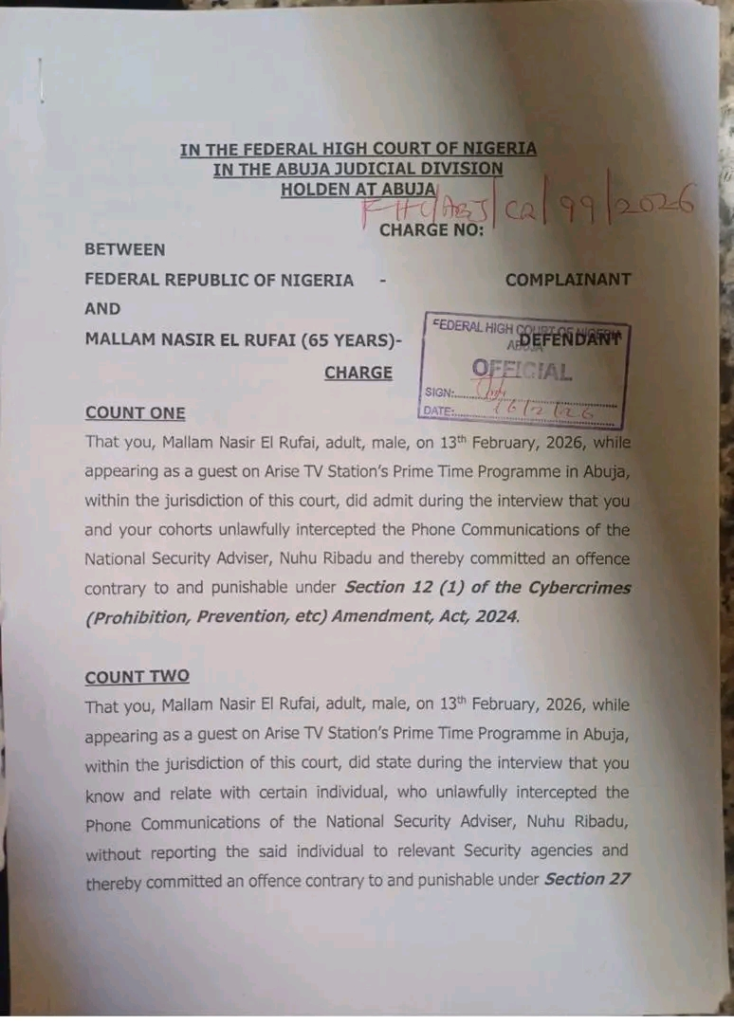
The Nigerian government has filed charges against former Kaduna State Governor Nasir el-Rufai over allegations related to unlawful phone tapping, a development that has quickly drawn national attention and stirred fresh political debate. The case introduces a new legal dimension to ongoing controversies surrounding the former governor and his relationship with federal authorities.
According to officials familiar with the matter, the charges centre on claims that communications were intercepted without proper legal authorisation. Authorities argue that the allegations raise serious concerns about privacy, the rule of law, and the limits of executive power. While details of the filing are still emerging, the move signals a significant escalation in the dispute involving the former governor.
Legal analysts note that cases involving alleged surveillance and phone interception carry substantial constitutional and human rights implications. Nigeria’s laws set strict conditions under which communications may be monitored, typically requiring judicial approval and adherence to due process. Any deviation from these standards is often subject to legal challenge and public scrutiny.
Supporters of Nasir el-Rufai have questioned the timing and motivations behind the charges, suggesting that the matter could be politically sensitive. Critics, however, maintain that allegations involving unauthorised surveillance must be addressed through lawful judicial processes to uphold accountability and institutional integrity.
The development has triggered widespread reactions across political and civic spaces, with many observers emphasising the need for transparency and fairness. As the legal proceedings unfold, attention is expected to focus on the evidence presented, judicial interpretation, and broader implications for governance and civil liberties.
About the Author